
How Much Does Tree Pruning Cost in Calgary?
A Practical Guide for Homeowners
Pruning can be one of the best things you can do for your trees—when it’s done right. Whether it’s shaping an overgrown lilac, clearing branches from your roofline, or giving a massive poplar some much-needed deadwood removal, regular pruning keeps trees healthy, safe, and looking sharp. But it’s more than just maintenance—it’s an investment in living assets. Well-maintained trees can boost property value, contribute to curb appeal, and offer real social and environmental benefits.
One of the most common questions we get is: “How much does tree pruning cost in Calgary?”
The short answer? It depends. But we’re not going to leave you hanging. In this post, we’ll walk through real-world pricing ranges, explain what affects cost, and help you understand what a good pruning job should include—no fluff, no sales pitch, just the straight goods.
What Affects Tree Pruning Costs in Calgary?
Tree pruning isn’t one-size-fits-all with many variables affecting the cost of tree pruning. Here’s what arborists look at when pricing a job:
Tree Size & Species
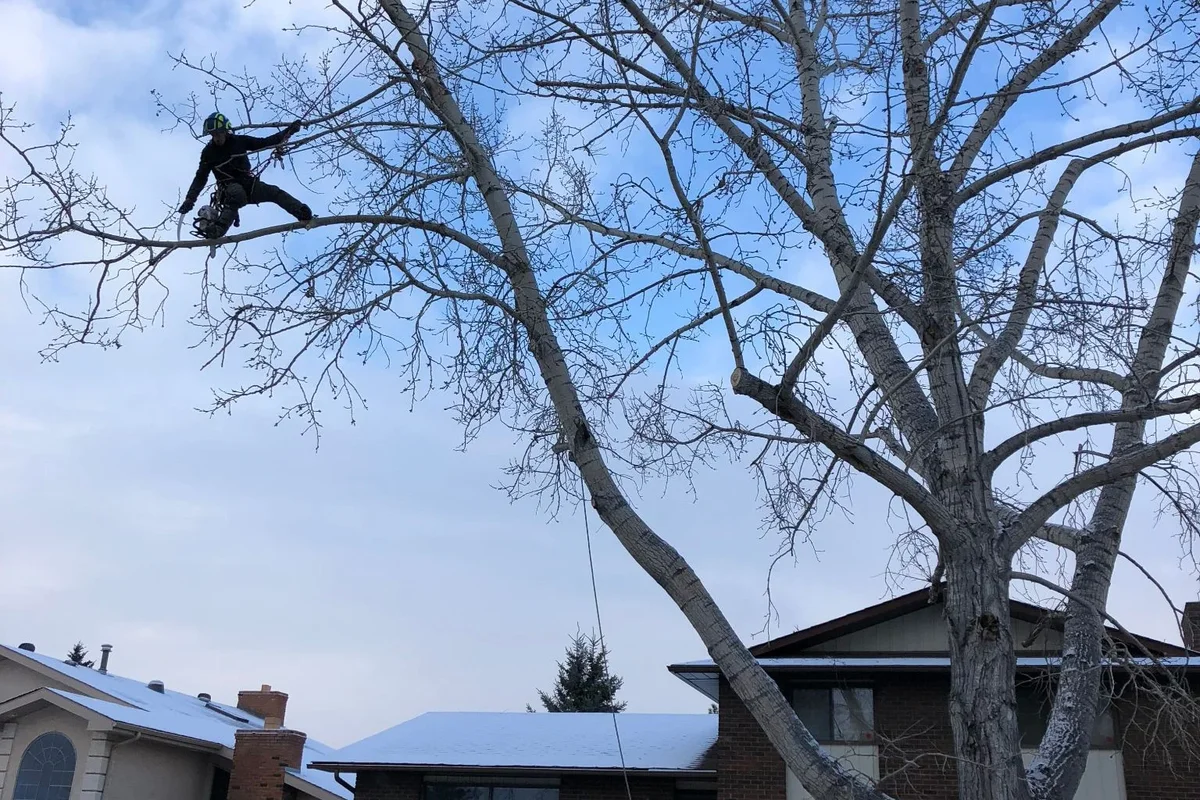
Larger trees or those with complex structures take more time, more gear, and often more crew. A crabapple might take an hour, while a 60-foot elm might need a full day, ropes, rigging, and a chip truck. Some species (like spruce or poplar) have awkward growth patterns that make them harder to work on.
Type of Pruning Needed
There’s a big difference between quickly thinning an ornamental tree and carefully removing storm-damaged limbs over a garage. Common types of pruning include:
- Structural pruning (formative pruning especially important for young trees) and can help keep larger trees from becoming hazardous
- Clearance pruning (for buildings, sidewalks, power lines)
- Crown reduction and thinning
- Dead/diseased wood removal
- Vista pruning (to open up views or to ensure privacy is maintained)
- Specialty pruning – Includes topiary, espalier, and pollarding; often aesthetic or space-driven and may require regular follow-up
🌳 Need Tree Pruning in Calgary?
Get expert service from our ISA Certified Arborists from small ornamentals to large hazard trees.
👉 Learn More About Our Tree Pruning Services
Ready now? Request Your Free Quote or call 403-910-1223
Site Access
Is the tree hanging over a house or power line? Is it in a tight backyard with no alley access? Difficult locations can mean more time, specialized rigging or equipment, and skill.
Cleanup & Disposal
Most professional crews (ours included) chip and haul away branches, rake up debris, and leave the site tidy. That adds time—but it saves you a weekend with a handsaw and a truck rental.
Deferred Maintenance
If your tree hasn’t been pruned in years—or if it’s never been structurally trained—expect a more involved process. This is what we call deferred maintenance: routine pruning was skipped, and the tree has grown in ways that may now require more time and care to manage appropriately.
In other cases—like trees that have been topped, storm-damaged, or poorly pruned in the past—we may recommend corrective pruning, also known as crown restructuring. This typically includes:
- Removing weak or poorly attached limbs
- Re-balancing an uneven or overloaded canopy
- Addressing stub cuts, non-viable branches and other poor pruning wounds
- Encouraging stronger, more stable growth patterns
A common issue we address during corrective pruning is stub cuts—branches that were cut but left too long. This type of pruning cut never seals (like any improper pruning wound), inviting decay and pests, and often need to be carefully corrected.
Addressing deferred maintenance or crown restructuring is not a one-and-done fix. It’s usually phased over multiple visits (pruning doses) to protect tree health. This prevents the removal of too much live wood at once, which can shock a tree and cause more harm than good. Whether it’s deferred maintenance or damage from a storm or poor past work, we offer phased, priority-based plans that protect your tree’s long-term health.
We don’t believe in quick fixes. When needed, we break pruning into stages to safeguard your tree’s long-term health—not just manage the budget.
| Tree Size | Typical Price Range | Examples |
|---|---|---|
| Small Ornamental Trees | $150–$500 | Lilac, Mayday, Schubert Chokecherry |
| Medium Trees | $500+ | Crabapple, smaller Elm or Ash |
| Large Trees | $1,000+ | Legacy Elm, Birch, Poplar, Cottonwood |
🌿 Time to catch up on overdue pruning?
We’ll help you build a priority-based plan that fits your budget—and protects your tree’s long-term health.
👉 See Our Tree Pruning Services
Request a Free Quote or call us at 403-910-1223
Credentials & Insurance: An Investment in Quality
Hiring an ISA Certified Arborist isn’t just a recommendation—it’s a necessity for ensuring the health and safety of your trees. Certified professionals bring extensive training, adhere to industry best practices, and carry proper insurance, safeguarding both your property and peace of mind.
While uncertified individuals might offer lower prices, the risks include improper pruning techniques, potential property damage, and liability issues. In the long run, investing in a qualified arborist can save you from costly mistakes and ensure the longevity and health of your trees.
If you’re uncertain about your tree care needs, an ISA Certified Arborist in Calgary can provide a comprehensive assessment and recommend a pruning plan tailored to your situation. For guidance on selecting the right professional read our guide on how to select an arborist in Calgary — it’s full of practical advice on what to look for (and what to avoid).
Frequently Asked Questions About Tree Pruning in Calgary
- Ornamental and fruit trees: Every 1–3 years to maintain shape and encourage production
- Young shade trees: Every 2–3 years for structural training and good form
- Mature shade trees (ash, elm, maple, etc.): Every 4–7 years, or as needed to manage risk or clearance